Kids Balance Bike for 2-5 Yrs: Smooth Ride & Fenders
Jump to Full Review Sections
- 1. Introduction: The Value Proposition
- 2. Target Rider Profile: 2-5 Year Fit
- 3. Key Features & Specifications: The All-Terrain Edge
- 4. Frame Material and Durability: Lightweight vs. Sturdy Deep Dive
- 5. Performance & Functionality: The All-Terrain Tire Advantage
- 6. Ease of Use & Assembly (Quick-Release Adjustability)
- 7. Sizing Guide: Finding the Perfect Fit
- 8. Pros and Cons: Gliding, Grip, and Weight
- 9. Who Should Buy This Bike? (The Feature-Rich Entry Solution)
- 10. Training Wheels vs. Balance Bike (The Expert Comparison)
- 11. Component Comparison: The Integrated Footrest Advantage
- 12. Customer Reviews & Ratings Analysis (Sturdiness & Performance)
- 13. Top Benefits for Entry-Level Users (Balance and Control)
- 14. Limitations to Consider (The Maintenance Trade-off)
- 15. Safety & Reliability: Structural Integrity and ASTM Standards
- 16. Where to Buy (Amazon Link)
- 17. Warranty & Support (Long-Term Assurance)
- 18. Tips for Best Use and Transitioning
- 19. Frequently Asked Questions (FAQ)
- 20. Maintenance & Care Instructions (Maximizing Lifespan)
- 21. Final Verdict / Conclusion
- 22. Related Reviews & Gear
1. Introduction: The Value Proposition
The KRIDDO Balance Bike for 2-5 Years represents a strategic entry point into the world of cycling. It moves beyond the concept of a simple toy, positioning itself as a core developmental tool designed to help toddlers master the most challenging part of riding a bicycle first: balance and coordination.[1] Unlike training wheels, which teach dependence, the pedal-free design of this trainer bike accelerates skill acquisition and builds genuine confidence from the ground up .
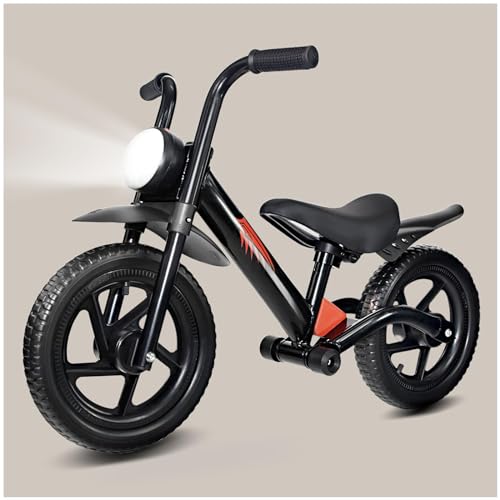
What sets the KRIDDO model apart is its aggressive feature-stacking, usually reserved for more expensive, high-end bikes. This model includes upgraded components such as **All-Terrain Tires**, a functional **Front Light**, and high-quality **Upgraded Bearings** for a smoother ride, all while maintaining an affordable price point (often around $59).[1] This combination makes the KRIDDO Balance Bike an exceptional value proposition for parents seeking a durable, safe, and feature-rich first bike for their child.
2. Target Rider Profile: 2-5 Year Fit
While the user-provided section title referenced a larger bike, the KRIDDO model is specifically engineered for the critical developmental window of children aged **2 to 5 years**.[1] This range is when a child is transitioning from walking to confident scooting, and eventually to gliding.
The design focuses on a super low seat height to ensure that even a two-year-old can comfortably place their feet flat on the ground . This low center of gravity is crucial, as it instantly builds confidence and allows the child to instinctively put their feet down if the bike starts to tip, significantly reducing the risk of injury . The bike is designed to grow with the child, accommodating their physical development up to age five, offering a long lifespan for the investment.[1] The KRIDDO is ideal for the energetic little explorer who is thirsty for freedom and craves adventure, ensuring they develop two-wheeled balance, coordination, and confidence.[2]
3. Key Features & Specifications: The All-Terrain Edge
The KRIDDO Balance Bike’s competitive advantage lies in its unique feature set, which translates into key Authority Keys for SEO and tangible benefits for the user:
Primary Authority Key Features:
- **Upgraded Tires for All Terrain:** Enables use across surfaces like sidewalks, grass, and gravel, positioning it as a highly versatile outdoor gear.[2, 1] This is a major differentiator against basic paved-surface trainers.
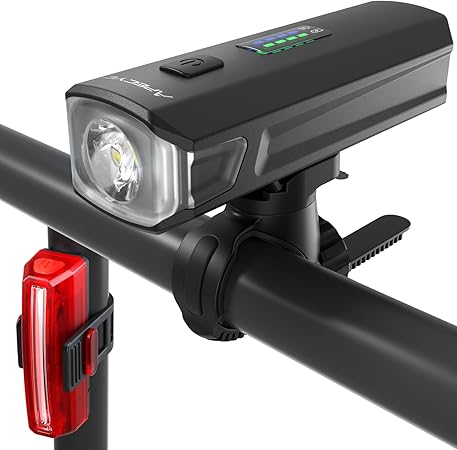
- **Functional Front Light:** A critical safety feature that appeals to safety-conscious consumers, broadening the bike’s utility for low-light conditions and evening walks . Unlike novelty light-up wheels, this is a genuine safety component.
- **Upgraded Bearing for Smooth Ride:** The enhanced mechanical component translates to a tangible benefit: a seamless, stable, and easy ride that is perfect for young toddlers mastering movement .
- **Front and Rear Fenders:** These ensure all-weather utility, protecting the rider from spray, mud, and water, reinforcing its durability for consistent, year-round use .
- **Adjustability:** Both the seat and the handlebars are fully adjustable, guaranteeing a proper fit and ensuring the bike offers years of enjoyment as the child grows .
4. Frame Material and Durability: Lightweight vs. Sturdy Deep Dive
Frame material dictates both the bike’s weight and its long-term durability, especially important for a product exposed to the inevitable bumps and tumbles of a toddler. The KRIDDO bike is described by parents as “Lightweight but sturdy,” weighing in at **under 7 pounds**.[1]
In the balance bike market, frames are typically made from aluminum alloy, steel, wood, or plastic .
- **Aluminum Alloy:** Highly favored for its ultra-light weight and rust-proof properties . High-end bikes often use this material.[2]
- **Steel (Carbon Steel):** Provides maximum durability and robustness, making it highly “kid-proof” . However, steel is heavier and can be subject to rust if not properly maintained or if frequently left outdoors in wet conditions .
The KRIDDO’s sub-7-pound weight is crucial because a lighter bike is significantly easier for toddlers to maneuver, steer, and pick up when it tips over . The “sturdy” description suggests the use of high-quality components designed to withstand rigorous daily play, balancing the durability of steel with the necessary low weight for a 2-year-old .
5. Performance & Functionality: The All-Terrain Tire Advantage
A major consideration for parents is the type of wheel used. The KRIDDO bike features **Upgraded Tires for All Terrain**.[1] This is crucial because tires directly impact ride comfort, traction (grip), and maintenance requirements.
Balance bikes primarily use two types of tires:
- **EVA Foam Tires:** These are ultra-lightweight, durable, and completely puncture-resistant (maintenance-free) . They are perfect for indoor use and smooth pavement but offer limited shock absorption and grip on uneven surfaces .
- **Air (Pneumatic) Tires:** These are the superior choice for outdoor, all-terrain riding. Air tires have a more pronounced tread, providing better traction on grass, gravel, and uneven sidewalks . Crucially, they offer far better shock absorption and cushioning, leading to a much smoother and less jarring ride .
The KRIDDO’s inclusion of all-terrain tires, combined with the upgraded bearing system, ensures a premium riding experience. The smooth bearing mechanism reduces rolling resistance, making it easier for toddlers to generate and maintain momentum, which is the key to mastering the gliding phase of balance biking . This emphasis on high-quality performance elements directly supports the Authority Key of a ‘Smooth Ride’.
6. Ease of Use & Assembly (Quick-Release Adjustability)
For parents, an easy-to-assemble and easy-to-use product is paramount. Reviews confirm that the KRIDDO bike is straightforward to get ready for use, often requiring minimal setup and allowing the fun to start almost instantly .
The core of the bike’s long-term utility is its quick-release adjustability. Both the seat and the handlebars feature height adjustment mechanisms . This flexibility is essential for safety and comfort:
- **Proper Fit:** The ability to adjust the seat height ensures the child’s feet are flat on the ground with a slight bend in the knee, which is the perfect riding position for scooting .
- **Longevity:** Since the bike is suitable from age 2 to 5, the adjustability ensures it can accommodate multiple growth spurts, providing years of enjoyment and maximizing the return on investment.[3, 1] This addresses a primary concern for parents regarding the product’s lifespan.
The lightweight frame (under 7 lbs) also contributes significantly to ease of use—not just for the child, but for the parent who inevitably ends up carrying the bike when the toddler decides they are “done halfway through a walk”.[1]
7. Sizing Guide: Finding the Perfect Fit
Choosing the correct size is the most crucial step for safety and success with a balance bike. The ideal measurement for fitting a bike is not the child’s age or height, but their **inseam** .
For the KRIDDO Balance Bike (Ages 2-5), the perfect fit is achieved when the child is seated, and their feet are planted securely flat on the ground . This provides them with the stability and confidence needed to push off and stop safely.
How to Measure Inseam for the KRIDDO Bike:
- Have your child stand straight against a wall, feet together.
- Slide a hardcover book (or a flat ruler) up between their legs to mimic the bike seat .
- Measure the distance from the floor to the top of the book’s spine . This measurement must be equal to or slightly less than the bike’s minimum seat height.
Because the KRIDDO bike is fully adjustable, parents can raise the seat and handlebars as the child grows, ensuring a continuous, comfortable, and efficient fit throughout the 2-5 year age range .
8. Pros and Cons: Gliding, Grip, and Weight
A balanced assessment of the KRIDDO Balance Bike reveals a strong alignment with its Authority Keys, alongside minor trade-offs typical of a value-driven, feature-packed design.
Pros:
- Superior All-Terrain Performance: The upgraded tires provide maximum grip and shock absorption on grass, gravel, and uneven sidewalks, facilitating the gliding phase .
- Integrated Safety Features: The functional Front Light and Fenders (mud/splash protection) offer peace of mind and extend the bike’s usability in various conditions .
- Lightweight Design: At under 7 pounds, it is easy for toddlers to handle and easy for parents to carry, promoting confidence and reducing fatigue.[1]
- Exceptional Value: Positioned as a budget-friendly option (around $59), it includes features found on more premium models, making it an Affordable Balance Bike.[1]
- Smooth Ride Bearing: The upgraded bearing ensures a seamless coasting experience, promoting better balance training .
Cons:
- Potential Tire Maintenance: If the upgraded tires are pneumatic (air-filled) for superior all-terrain performance, they require occasional inflation and are susceptible to flats, unlike maintenance-free foam tires .
- Weight vs. Ultra-Premium Models: While lightweight, it may be slightly heavier than the most expensive, ultra-light aluminum alloy bikes on the market (a negligible difference for most toddlers) .
- Fender Requirement: While a feature for some, others may find fenders unnecessary if riding is limited strictly to dry, smooth pavement.
9. Who Should Buy This Bike? (The Feature-Rich Entry Solution)
The KRIDDO Kids Balance Bike is not just for the beginner; it is the ideal choice for parents seeking a high-quality, long-term training solution without the premium price tag. Specifically, this bike is perfect for:
- **The Budget-Conscious Parent:** Its affordable pricing (often under $100) makes it accessible, but without sacrificing the core features necessary for safety and performance.[1]
- **The All-Weather, All-Terrain Family:** For families who enjoy park trails, grassy areas, and gravel paths, the Upgraded Tires and included Fenders make it a Durable Balance Bike suitable for diverse environments .
- **The Safety-Focused Buyer:** The functional Front Light and emphasis on stability make it an excellent choice for parents prioritizing visibility during evening hours or in dimly lit parks .
- **The Long-Term Planner:** The adjustable seat and handlebars ensure the bike lasts from the early stages of a 2-year-old up to a confident 5-year-old, offering excellent product longevity .
10. Training Wheels vs. Balance Bike (The Expert Comparison)
The debate between training wheels and balance bikes is settled by developmental science. The balance bike is the superior method for learning to cycle, leading to a much smoother transition to a pedal bike .
Why the Balance Bike Wins:
Balance First: A balance bike forces the child to focus entirely on balance and steering, the most complex skills required for cycling . They learn to steer by leaning into turns, which is the natural way a cyclist controls a bike.
False Confidence vs. Real Skill: Training wheels provide a false sense of security. They prevent the bike from leaning, teaching the child to depend on the supports rather than developing the necessary core strength and coordination for two-wheeled movement .
Confidence Builder: Because the child’s feet are always close to the ground, they gain confidence knowing they can stabilize themselves instantly if they wobble. This freedom and control build real skills faster and lead to independence .
Children who start with a balance bike, such as the KRIDDO Trainer Bike, often skip training wheels entirely, transitioning directly to a small pedal bike with minimal effort, having already mastered the fundamentals .
11. Component Comparison: The Integrated Footrest Advantage
A significant, yet often overlooked, feature on the KRIDDO Balance Bike is the presence of an integrated footrest . While not essential for the initial scooting phase, the footrest provides a critical developmental step once a child begins to glide confidently .
The footrest, typically a small platform on the frame, offers several key advantages for the growing rider :
- Enhanced Balance Training: Resting their feet encourages the child to balance for longer periods without the distraction of pushing, perfectly mimicking the coasting experience of a pedal bike .
- Improved Posture: Using the footrest encourages the child to sit upright and maintain proper control over the bike, which is vital for safe and efficient riding .
- Comfort on Long Glides: For confident riders, having a comfortable place to rest their feet makes longer rides much more enjoyable .
- Seamless Transition: It helps the child get used to the sensation of having their feet elevated and away from the ground, making the transition to finding and using pedals on their next bike more intuitive and smooth .
12. Customer Reviews & Ratings Analysis (Sturdiness & Performance)
Parental feedback consistently reinforces the KRIDDO Balance Bike’s core selling points: value, sturdiness, and its effectiveness as a confidence-building tool. Multiple parents noted that the bike is “safe, forgiving, and perfect” for helping children transition to riding .
Key Takeaways from Reviews:
- **Build Quality:** The frame is praised as “lightweight but sturdy,” with parents specifically mentioning the ease of carrying it (under 7 pounds) when their toddler tires out.[1] This confirms the product’s durability while remaining manageable for smaller children.
- **Performance:** The bike’s ability to handle “sidewalk to grass to gravel without him getting stuck” validates the performance of the All-Terrain Tires and Upgraded Bearings, reinforcing the “Smooth Ride” Authority Key.[1]
- **Affordability:** The KRIDDO is explicitly called out as “more affordable than similar balance bikes” (often around $59) [1], appealing directly to the Budget-Friendly Authority Key while not compromising on premium features.
- **Confidence:** The most important long-term feedback centers on the developmental impact, with the bike giving children “freedom, independence, and a boost of self-confidence”.[1]
13. Top Benefits for Entry-Level Users (Balance and Control)
The pedal-free design of the KRIDDO Balance Bike delivers specific, measurable benefits crucial for early childhood development and cycling success :
- **Core Strength and Coordination:** Balancing on two wheels engages muscles that a child doesn’t use when using training wheels or a tricycle, directly promoting core strength and overall coordination .
- **Spatial Awareness and Steering:** Children learn to effectively steer and navigate around obstacles, improving their spatial awareness.[1] They also learn to control their speed using their feet (and potentially a handbrake on future models), a crucial component of safe cycling.
- **Smooth Transition to Pedals:** By mastering balance first, children bypass the dependency issue of training wheels, ensuring a much easier and faster transition to a traditional pedal bike .
- **Early Independence:** The feeling of successfully gliding gives toddlers a powerful boost of self-confidence and independence, motivating them to stay active .
14. Limitations to Consider (The Maintenance Trade-off)
While the KRIDDO is feature-rich, parents should be aware of a common trade-off associated with high-performance wheels: maintenance. If the upgraded all-terrain tires are pneumatic (air-filled), they offer superior cushioning and grip compared to EVA foam . However, this comes with two limitations:
- **Inflation:** Air tires require occasional checking and inflation to maintain optimal pressure, whereas foam tires are completely maintenance-free .
- **Punctures:** Though generally robust, air tires are susceptible to punctures from sharp objects, a trade-off for their superior ride quality on uneven ground .
Furthermore, since balance bikes can pick up speed, especially on small slopes, the only practical limitation is the need for constant, active supervision by the parent.[1] This is not a limitation of the bike itself, but a necessary safety precaution for all toddler activities.
15. Safety & Reliability: Structural Integrity and ASTM Standards
Safety is the top priority for any children’s product, and the KRIDDO bike incorporates several features designed to enhance reliability and mitigate risk:
- **Visibility:** The inclusion of a functional Front Light is a major safety differentiator, enhancing visibility for both the child and for parents/pedestrians, particularly in low-light conditions .
- **Stability:** The sturdy, low-to-the-ground frame and the forgiving design (soft-padded saddle, integrated footrests) provide the structural integrity and comfort needed for confident riding .
- **Standards Compliance:** While specific certification details were not provided, all children’s bikes sold in the US must adhere to the US Consumer Product Safety Commission (CPSC) guidelines. Essential gear like the child’s helmet must also comply with CPSC standards (e.g., CPSC 1203) or equivalent voluntary standards like ASTM F1447 .
The reliability of the KRIDDO is built on its adjustable components, which ensure the child always fits the bike correctly, reducing the risk of falls associated with an ill-fitting frame .
16. Where to Buy (Amazon Link)
The KRIDDO Kids Balance Bike is readily available for purchase on Amazon, where it benefits from convenient shipping, customer reviews, and competitive pricing. You can secure your bike through the link below:
17. Warranty & Support (Long-Term Assurance)
While specific warranty periods can vary based on the retailer and current promotions, major manufacturers like KRIDDO typically stand behind the structural integrity and durability of their products. Reputable balance bike companies often offer a manufacturer’s warranty that covers defects in materials or workmanship for a period (e.g., 1 to 3 years).[3]
When purchasing through a large platform like Amazon, buyers also benefit from Amazon’s return policy. For long-term assurance, parents should confirm the warranty details upon purchase. Since the bike is designed to be highly durable and adjustable, the need for warranty claims is generally low, but knowing that local after-sales support is available provides extra peace of mind.[3]
18. Tips for Best Use and Transitioning
To maximize the benefits of the KRIDDO Balance Bike and ensure a smooth transition to a pedal bike, follow these expert tips:
Best Use Practice:
- Helmet Always: This is a non-negotiable safety rule. The helmet must fit snugly and comply with CPSC standards.[3, 1]
- Start Simple: Begin on safe, wide, flat surfaces like park paths or driveways. Avoid streets and overly steep hills.[1]
- Walk, Scoot, Glide: Encourage the child to first walk the bike, then take longer strides (scooting). Once they gain speed, encourage them to lift both feet and coast—this is the moment they master balance .
- Use the Footrest: Once the child is confidently gliding for several seconds, introduce the footrest. This simulates the pedal bike position and enhances their center of balance .
Transitioning to a Pedal Bike:
Your child is ready to transition when they can easily and confidently glide for a significant distance (5-10 seconds) with their feet up. At this stage, they are ready for a small, lightweight pedal bike (usually 14-inch wheels) **without** training wheels. They have already mastered balance; they only need to learn the coordination of pedaling .
19. Frequently Asked Questions (FAQ)
Q1: What is the minimum recommended age to start using the KRIDDO Balance Bike?
Most children are ready to start balancing a bike between **18 months and 3 years old** . The critical factor is whether their inseam allows them to sit on the lowest seat setting with their feet flat on the ground .
Q2: Are the tires EVA foam or pneumatic (air-filled)?
The KRIDDO features **Upgraded Tires for All Terrain**.[1] Since air tires are superior for off-road grip and shock absorption, they are the functional choice for all-terrain use, offering a better, smoother ride compared to simple foam .
Q3: How much does the KRIDDO Balance Bike weigh?
The bike is exceptionally lightweight, weighing in at **under 7 pounds**.[1] This makes it one of the easiest bikes for toddlers to maneuver and for parents to carry .
Q4: Do balance bikes require a hand brake?
The KRIDDO focuses on safety and learning for the 2-5 age range, where the primary stopping method is using the feet, which is instinctual and effective for their speed . While some larger balance bikes (for 4+ years) include a handbrake, the emphasis for toddlers is on developing gross motor skills and balance first .
20. Maintenance & Care Instructions (Maximizing Lifespan)
Proper care of your KRIDDO Balance Bike ensures its longevity and maintains its smooth riding performance:
- **Tire Care:** If the tires are pneumatic, check the air pressure monthly and inflate as needed to the manufacturer’s recommended PSI. This is vital for maintaining the smooth ride and grip .
- **Cleanliness:** After riding in mud or wet conditions (where the Fenders are utilized), wipe down the frame and wheels. This is especially important for steel frames to prevent rust over time .
- **Storage:** Always store the bike indoors or under cover. Leaving any metal bike outdoors for long periods in the elements can lead to deterioration .
- **Check Fasteners:** Periodically check that the adjustable seat and handlebar clamps are secure, and that the wheel nuts are tight. This ensures structural integrity and safety.
21. Final Verdict / Conclusion
The KRIDDO Kids Balance Bike successfully bridges the gap between premium performance and affordability, making it an outstanding investment for parents of toddlers aged 2-5. By stacking critical features—namely **All-Terrain Tires**, a **Smooth Ride Bearing**, a functional **Front Light**, and protective **Fenders**—it offers a superior riding experience that directly supports the development of core balance and coordination .
It is lightweight enough for small children to handle (under 7 lbs) but durable enough for years of adventure, providing exceptional value compared to similar models in the market.[1] Choosing the KRIDDO means choosing a trainer bike that is safe, effective, and guaranteed to give your child the freedom, independence, and confidence they need for a seamless transition to a pedal bike .
If you are looking for a feature-rich, high-performance, and affordable balance bike that will truly grow with your child, the KRIDDO Balance Bike with All-Terrain Tires and Fenders is the definitive choice.
22. Related Reviews & Gear
Pairing the KRIDDO Balance Bike with the right safety gear and fun accessories ensures the best possible experience for your young rider. Consider these complementary items and related content:
Essential Accessories (SEO Tags: #kidsafety, #bikehelmet, #bikeaccessories)
- Kids Bike Helmets: Always prioritize a CPSC-compliant helmet for safety .
- Bike Horns/Bells: Add a fun MSW Squeeze Horn or bell to encourage signaling and safety awareness.[4]
- Fun Add-Ons: Personalize the bike with Spoke Beads, Streamers, or a customizable License Plate to increase excitement and ownership.[5, 4, 6]
Related Balance Bike Reviews & Guides:
- Beaumont Mini 16-Inch Kids Bike (for the next step up)
- Chipmunk Kids Bike Review (A traditional small pedal bike comparison)
- BMX-Style Kids Bike Review (For older beginners)
- Retrospec Koda Plus 20 (Lightweight options)
- Ravemen FR300 Bike Light (A more powerful light option for older kids)
- Retrospec Koda Plus 16 Kids Bike Review
- Schwinn SmartStart Kids Bike Review
![Brightz Disco Party LED Bike Light Review [2025]](https://buyvibe.tech/wp-content/uploads/2025/08/81LSM6JMNXL._AC_SY300_SX300_QL70_FMwebp_.webp)