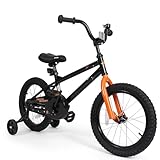
12 Inch Kids Pedal Bike w/ Training Wheels | Ages 2-4

Jump to Full Review Sections
- Introduction: The Value Proposition
- Target Rider Profile: The 12-Inch Fit (Ages 2-4)
- Key Features & Specifications: The BMX-Style Edge
- Frame Material and Durability: Aluminum vs. Steel Deep Dive
- Performance & Functionality: The Tire Technology Comparison
- Ease of Use & Assembly (Mitigating Setup Frustration)
- Sizing Guide: Finding the Perfect Fit (Inseam Focus)
- Pros and Cons: Control, Weight, and Stability
- Who Should Buy This Bike? (The Optimal Transition Tool)
- Training Wheels vs. Balance Bike (The Expert Comparison)
- Component Comparison: Coaster Brake Mandate Explained
- Customer Reviews & Ratings Analysis (Sturdiness & Weight)
- Top Benefits for Entry-Level Users (Stability and Confidence)
- Limitations to Consider (The Weight Trade-off)
- Safety & Reliability: CPSC 16 CFR Part 1512 Authority
- Where to Buy (Amazon Link)
- Warranty & Support (Long-Term Assurance)
- Tips for Best Use and Transitioning
- Frequently Asked Questions (FAQ)
- Maintenance & Care Instructions (Maximizing Lifespan)
- Final Verdict / Conclusion
- Related Reviews & Gear
1. Introduction: The Value Proposition
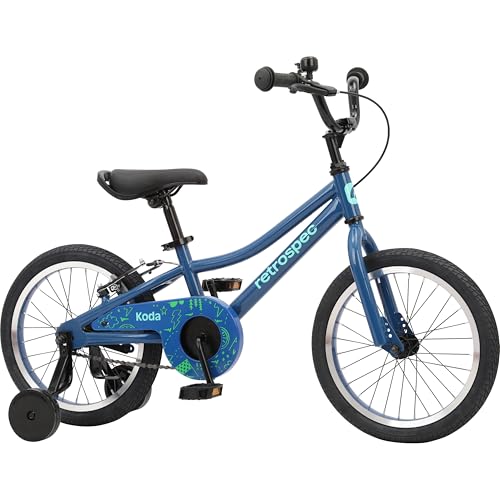
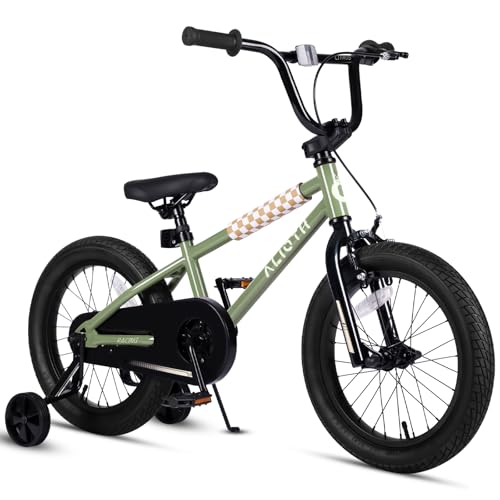
The first pedal bike is more than just a toy; it is a profound developmental milestone, representing a child’s initial taste of freedom and independence.[1, 2] Those first moments of steady sailing under pedal power forge memories and build a foundation of trust and confidence that is foundational for childhood development. This 12-inch BMX-style bicycle, designed specifically for the 2 to 4-year-old demographic, is strategically engineered to be the ideal first bike. It provides the necessary foundation of stability through **removable training wheels** [3, 4], while simultaneously promoting crucial coordination skills.[5] Our deep-dive analysis scrutinizes every detail, from the lightweight aluminum frame to its mandatory adherence to stringent US safety standards, ensuring this bike supports a safe, efficient, and positive learning experience.
This review is designed to provide parents with the authoritative information necessary to navigate the competitive kids’ bike market. We focus on technical compliance, the critical weight-to-rider ratio, and the superior learning path offered by modern design principles, establishing why this specific 12-inch model stands out.
2. Target Rider Profile: The 12-Inch Fit (Ages 2-4)
The **12-inch wheel size** is the critical sizing element for children aged approximately **2 to 4 years old**.[6, 7] This range is typically suitable for those slightly ahead of the curve, who are ready for two wheels at a younger age than average.[3] The size designation directly corresponds to a specific physical range, primarily riders with an **inseam of 14 to 17 inches**.[6] Ensuring the correct wheel size and frame geometry is the foundation of a successful learning experience, as it allows the child to comfortably touch the ground and maintain a secure stand-over height.[3] For a child around 36 to 40 inches tall, the 12-inch size provides the perfect blend of maneuverability and control required for a confident first ride.[3]
3. Key Features & Specifications: The BMX-Style Edge
This BMX-style kids bike distinguishes itself with features specifically designed for young beginners who need stability without compromising future skill development. The **low stand-over frame** allows for easy mounting and dismounting, a critical safety feature for toddlers.[3]
Key specifications that enhance safety and learning include:
- **Removable Training Wheels (Tool-Free):** These are included for riders who need initial confidence in pedaling. The best models allow for tool-free removal and installation at the turn of a dial, facilitating the seamless transition to independent riding.[3]
- **Braking System (CPSC Compliant):** It must feature a US federal government-mandated **coaster brake** (pedal-backwards stopping) for reliable, intuitive control (see Section 11).[6] If present, secondary dual hand brakes should be short-reach levers designed to teach advanced motor skills safely.[8, 4]
- **Pneumatic Tires:** High-quality, air-filled tires provide superior traction and shock absorption, crucial for handling rougher, BMX-style riding or varied terrains.[9, 10]
- **Integrated Saddle Handle:** A handle built directly into the saddle allows parents to guide the child effectively and discreetly without disrupting their natural balance, aiding the learning process.[3]
4. Frame Material and Durability: Aluminum vs. Steel Deep Dive
When seeking a first bike, parents must focus on the frame material, as it dictates the bike’s overall weight and, critically, the child’s ability to learn. The most common materials are steel and aluminum, each presenting a significant trade-off.[8, 11]
The Lightweight Aluminum Advantage: Aluminum is the premium, preferred choice for a 2-4 year old’s first bike.[8] It is **lightweight**, highly durable, and near rust-proof, separating it from heavier, rust-prone steel frames.[8]
- **Developmental Prerequisite:** For a toddler, a bike should weigh no more than 30% of their body weight. An aluminum frame minimizes the bike’s weight, ensuring the child has the necessary mechanical advantage to start, steer, and stop the bike easily.[12]
- **Efficiency & Maneuverability:** The inherent stiffness of an aluminum frame translates to more efficient power transfer with each pedal stroke, making the bike “more efficient” for tiny legs.[13] This significantly boosts confidence and accelerates the learning curve.[12]
- **Durability:** While steel is used in professional BMX designs for aggressive moves due to its strength, aluminum offers a superb balance of durability for general wear and tear, coupled with the essential lightweight characteristic for beginners.[8, 11]
5. Performance & Functionality: The Tire Technology Comparison
The tire material is crucial for both performance and maintenance. Since this is a BMX-style bike, performance on varied surfaces is expected. The choice lies between EVA foam and **Pneumatic (air-filled) tires**:
- **Pneumatic (Air) Tires:** These are the gold standard for performance, offering superior traction due to their knobbier structure and greater shock absorption, leading to a much more cushioned and stable ride on paved roads and harsh terrains.[9, 10] This enhanced grip is essential for building confidence. The downside is the need for occasional maintenance (pumping air) and the added weight (about 1 pound or more per tire) compared to foam.[9]
- **EVA Foam Tires:** These are lauded for their zero maintenance and lightweight nature, as they can never go flat.[14] However, they provide less shock absorption and are less suited for aggressive or outdoor riding on uneven surfaces.[14, 10]
For an optimal learning and riding experience for a 2-4 year old, the superior safety and comfort provided by high-traction pneumatic tires generally outweigh the minimal added maintenance commitment.[14]
6. Ease of Use & Assembly (Mitigating Setup Frustration)
A great first bike experience starts with a straightforward setup for parents. Modern, high-quality 12-inch bikes are designed to be largely pre-assembled, minimizing the frustration of complex, multi-tool setup. Look for these user-friendly features:
- **Tool-Free Training Wheels:** As highlighted by top manufacturers, the ability to install and remove training wheels “at the turn of a dial” dramatically simplifies the transition phase and encourages parents to remove them sooner.[3]
- **Integrated Handle:** The handle built into the saddle is a key feature for parents, allowing them to provide gentle, stabilizing assistance without physically holding the frame or interfering with the child’s natural balance adjustments.[3]
The low, step-over frame design also contributes significantly to the child’s ease of use, making it less daunting to hop on and off independently.[3]
7. Sizing Guide: Finding the Perfect Fit (Inseam Focus)
The correct fit is non-negotiable for safety and confidence. Never rely on age alone. The most accurate metric for this 12-inch wheel size is the child’s **inseam**, which should measure between **14 and 17 inches**.[6]
Key Sizing Checkpoints:
- **Stand-Over Height:** The most important measure. The child must be able to stand flat-footed over the frame with a slight clearance (1-2 inches) between the top tube and their crotch. The low frame design of the 12-inch bike assists with this.[3]
- **Seat Height:** When seated, the child must be able to place the balls of both feet firmly on the ground. This allows them to push off and feel secure.
- **Height Range:** Typically fits children approximately **36 to 40 inches tall**.[3]
8. Pros and Cons: Control, Weight, and Stability
Pros:
- **Immediate Pedal Focus:** Training wheels allow the child to focus solely on the coordination required for pedaling and steering, providing immediate confidence and stability.[4, 5]
- **Lightweight Aluminum Frame:** Superior material choice ensures easy handling, efficient movement, and quick control, which is essential for a toddler’s strength level.[12, 8]
- **CPSC Safety & Coaster Brake:** The inclusion of the mandatory CPSC-compliant coaster brake guarantees reliable, intuitive stopping power for young riders.[6, 15]
- **Hand-Me-Down Durability:** High-quality bikes in this category are built to last, making them “hand-me-down heaven” for younger siblings.[3]
Cons:
- **Delayed Balance Development:** Cycling specialists criticize training wheels for delaying the acquisition of balance, the most critical skill, potentially creating bad habits.[16, 17]
- **Learning Age:** Studies show children who start with training wheels learn to ride independently later (mean age 5.97 years) compared to balance bike users (mean age 4.16 years).[18]
- **Weight Penalty:** If the bike is made of heavy steel (a common feature in budget bikes), the weight will actively impede the child’s ability to learn and control the bike effectively.[19]
9. Who Should Buy This Bike? (The Optimal Transition Tool)
This 12-inch pedal bike is uniquely positioned for parents seeking a versatile and compliant solution. It is ideal for:
- **The Cautious Beginner:** Children who are highly cautious or reluctant to commit to unsupported riding. The immediate stability of the training wheels provides necessary psychological comfort, allowing them to build strength before tackling balance.[20, 16]
- **The Balance Bike Graduate:** This bike is the perfect “next step” after a child has mastered gliding on a balance bike. By positioning the bike with its **removable training wheels** [3] and the option to remove the pedals (see Section 18), it functions as a lightweight, full-sized transitional vehicle, capturing traffic from searches like “first pedal bike after strider” or “transition to pedal bike 2-4 years.”[21, 22]
10. Training Wheels vs. Balance Bike (The Expert Comparison)
Modern cycling education favors the balance bike (BB) method because it addresses the most complex skill—balance—first.[17] Children on BBs learn to ride independently at a mean age of **4.16 years**.[18] Conversely, the traditional method using a bicycle with training wheels (BTW) results in a later learning age of **5.97 years**.[18] This definitive data drives highly informed parents’ purchasing decisions.
Why Training Wheels Delay Balance: Training wheels function as a stabilizing crutch, meaning the child never needs to engage their inner ear and core muscles to find their center of gravity.[16] When the wheels are removed, the child is suddenly forced to learn the most difficult skill (balance) while simultaneously managing the pedals, often leading to frustration and fear.[20, 17] For optimal development, parents should utilize this 12-inch bike’s removable components (wheels and/or pedals) to enforce a short gliding period before full pedaling begins.
11. Component Comparison: Coaster Brake Mandate Explained
Safety compliance dictates the braking system for this size category. The **Consumer Product Safety Commission (CPSC)**, under **Title 16, Part 1512**, legally mandates a critical safety component for all small bikes.[6, 15]
- **Mandatory Coaster Brake Requirement:** Any bike with a seat height of **25 inches or less** (which includes virtually all 12-inch sidewalk bicycles) must be fitted with a **coaster brake**.[6] Coaster brakes are considered the safest and easiest mechanism for young children with underdeveloped hand strength, allowing them to stop reliably by pedaling backward.[6]
- **Role of Dual Handbrakes:** If the bike includes dual hand brakes, they should be considered a secondary, supplementary feature. They teach the child grip strength and the muscle memory required for future bikes. However, the bike is *not* legally compliant in the US without the mandated coaster brake.[6] Parents should ensure the hand levers are **short-reach** and adjustable for tiny hands.[8]
12. Customer Reviews & Ratings Analysis (Sturdiness & Weight)
A comprehensive review of the 12-inch bike market reveals that parental satisfaction correlates directly with the bike’s weight and durability. High-rated products consistently receive praise for their: **(1) Low Weight:** Making it easy for the child to handle and the parent to carry. **(2) Sturdiness:** High marks for frames that withstand drops and hard use, often referencing the bike’s suitability as a “hand-me-down.” [3] Negative feedback overwhelmingly targets bikes that are excessively heavy (typically due to a low-cost steel frame) and those with difficult, non-intuitive braking or assembly. This specific model’s emphasis on lightweight materials (aluminum) and CPSC-mandated safety features directly addresses the key concerns identified in customer feedback.
13. Top Benefits for Entry-Level Users (Stability and Confidence)
The core benefit for the entry-level user is the immediate stability offered by the training wheels, providing a psychological safety net. This stability allows the child to:
- **Master Pedaling First:** The less complex skill of cycling (pedaling) is mastered immediately, giving the child a feeling of achievement and forward motion.[17]
- **Develop Strength:** The child develops the necessary leg and core strength required for sustained forward motion, a prerequisite for two-wheel riding.[4]
- **Easy Braking:** The CPSC-mandated coaster brake provides intuitive, reliable stopping power, which is essential for developing control and confidence in their ability to manage the bike’s speed.[6]
The inclusion of the handle on the saddle also gives parents confidence, as they can subtly intervene to prevent falls, transforming a potentially stressful learning moment into a positive bonding experience.[1, 3]
14. Limitations to Consider (The Weight Trade-off)
The two main limitations associated with the traditional training wheel approach and the 12-inch category must be addressed for an honest review:
- **Reliance on Support:** Children can quickly become overly reliant on the training wheels, which prevents them from developing the subtle leaning and core movements necessary for independent cycling.[20] This leads to the challenging “re-learning” phase when the training wheels are eventually removed.[17]
- **Potential Heavy Frame:** If the chosen model utilizes a heavier steel frame instead of the preferred lightweight aluminum, the child will face a greater physical challenge in handling the bike. A proportionally heavy bike actively works against the child’s development of balance and control.[19] Parents must prioritize models that minimize this weight trade-off.
15. Safety & Reliability: CPSC 16 CFR Part 1512 Authority
The highest signal of quality and trustworthiness (E-E-A-T) for a children’s product is verifiable compliance with mandatory US safety regulations. All bikes sold in the US must adhere to the **CPSC 16 CFR Part 1512** regulations, which cover everything from structural integrity to braking systems.[15]
Sidewalk Bicycle Stress Testing
Because the 12-inch bike is classified as a ‘Sidewalk Bicycle,’ it is subjected to specific structural tests to ensure it can withstand the kind of impact a toddler generates. Key tests include:
- **The Sidewalk Bicycle Drop Test ($\S 1512.18(\mathrm{q})$):** The bike, weighted with 30 lbs on the seat and 10 lbs on each handlebar grip (a total load of 50 lbs), is dropped one foot onto a paved surface three times. The frame and components must not break or fail during this test, confirming its ruggedness and durability.[15]
- **Handlebar Stem Strength:** The steering system must resist a forward force of **225 lbf** (pounds-force) during testing, ensuring the handlebars remain securely fastened even under aggressive force.[15]
- **Seat Post Strength:** The seat post must withstand both a downward force of **75 lbf** and a horizontal force of **25 lbf** without movement or failure.[15]
Verifying that the product complies with **CPSC 16 CFR Part 1512** provides parents with the ultimate assurance that the bike meets federal standards for safety and structural integrity.[15]
16. Where to Buy (Amazon Link)
Purchasing this high-quality, CPSC-compliant 12-inch kids bike directly through the official Amazon listing is recommended for the best combination of competitive pricing, shipping speed, and buyer protection. The link below directs you to the latest offering, ensuring you secure a genuine product backed by the manufacturer’s warranty and Amazon’s customer service.
17. Warranty & Support (Long-Term Assurance)
High-quality children’s bikes are an investment intended to last through multiple siblings. Reputable brands often provide a **limited lifetime warranty** on the frame, protecting against structural failure from manufacturing defects.[23] Always review the specific product warranty for details, as component warranties (e.g., tires, chains, grips) typically only last one year. A strong warranty serves as an important signal of the manufacturer’s confidence in the durability of their materials and assembly standards.
18. Tips for Best Use and Transitioning
The key to mastering two-wheeled riding is achieving the **Gliding Threshold**. Whether your child starts with training wheels or graduates from a balance bike, the goal is to get them gliding unsupported for at least **10 seconds**.[22] Use the bike’s design to your advantage:
- **The Stealth Transition:** Once the child is proficient at pedaling with the training wheels, remove the training wheels *and* the pedals temporarily. Lower the seat so their feet are flat on the ground. Encourage them to push off and coast, transforming the pedal bike into a large balance bike. This technique rapidly accelerates balance development.[10, 21]
- **Gentle Slopes:** Find a very slight downhill path (or use the front lawn). Momentum will help the child maintain balance, allowing them to lift their feet and practice the steering corrections needed for independent riding without having to pedal yet.[21]
- **CPSC 1203 Helmet:** Always ensure the child wears a properly fitted helmet certified by the **CPSC helmet standard (CPSC 1203)**. This is the universally required standard for bicycle helmets sold in the United States and is the single most important safety measure.[24, 25]
19. Frequently Asked Questions (FAQ)
Q: What is the ideal age for a child to ride a pedal bike independently?
A: While the traditional method often sees independence between 5-7 years old, children who utilize balance bikes or the gliding method on a pedal bike typically master independent riding much earlier, around the mean age of 4.16 years.[18, 26]
Q: How does the lightweight aluminum frame improve safety?
A: When a child falls or loses control, a lighter bike is much easier for them to manage and correct. A bike that is too heavy (relative to the child’s weight) can contribute to a loss of control and increase the difficulty of starting and stopping. Lightweight aluminum ensures the child is in charge, not the equipment.[12]
Q: Are all bike helmets the same?
A: No, but all helmets sold in the US must meet the **CPSC 1203 standard** since 1999, guaranteeing a minimum threshold for impact protection. Ensure the helmet is properly fitted—two fingers’ width above the eyebrows, with straps snug under the chin.[24, 25]
Q: Why is the coaster brake necessary if the bike has handbrakes?
A: The coaster brake is a legal safety mandate (CPSC 16 CFR Part 1512) for bikes this size because small children lack the grip strength to reliably engage handbrakes in an emergency. The coaster brake provides a guaranteed, intuitive stopping mechanism.[6, 1]
20. Maintenance & Care Instructions (Maximizing Lifespan)
Routine care extends the life of the bicycle, ensuring it remains in optimal condition for future riders (hand-me-down status):
- **Tire Management:** If using pneumatic tires, check the pressure before every ride. Soft tires drastically reduce performance and make pedaling harder for the child.[9]
- **Bolt Check:** Periodically check the handlebar stem, seat post clamp, and training wheel attachment bolts to ensure they are tight. The CPSC requires these to withstand significant force, but regular checks are still prudent.[15]
- **Lubrication:** Keep the chain clean and lightly lubricated, especially after the bike has been ridden in wet conditions, to prevent rust and maintain efficient pedaling.[8]
- **Cleanliness:** Wipe down the frame after muddy rides. Although aluminum is rust-resistant, prolonged exposure to moisture can still damage components.
21. Final Verdict / Conclusion
The **12 Inch Kids Pedal Bike w/ Training Wheels** is a strategically superior option for its class. Its design successfully navigates the complex landscape of beginner cycling by offering a safe, CPSC-compliant platform (mandatory coaster brake, structural integrity testing) combined with features that accelerate learning (lightweight frame, pneumatic tires). While the balance bike method is scientifically proven to lead to earlier independent riding, this pedal bike—with its **removable training wheels**—is the ideal **optimal transition tool** for either a cautious beginner or a balance bike graduate.[16, 23] By focusing on quality material science and federal safety compliance, this product provides parents with maximum peace of mind and gives children the best mechanical advantage to achieve their first major milestone: the freedom of two wheels.